
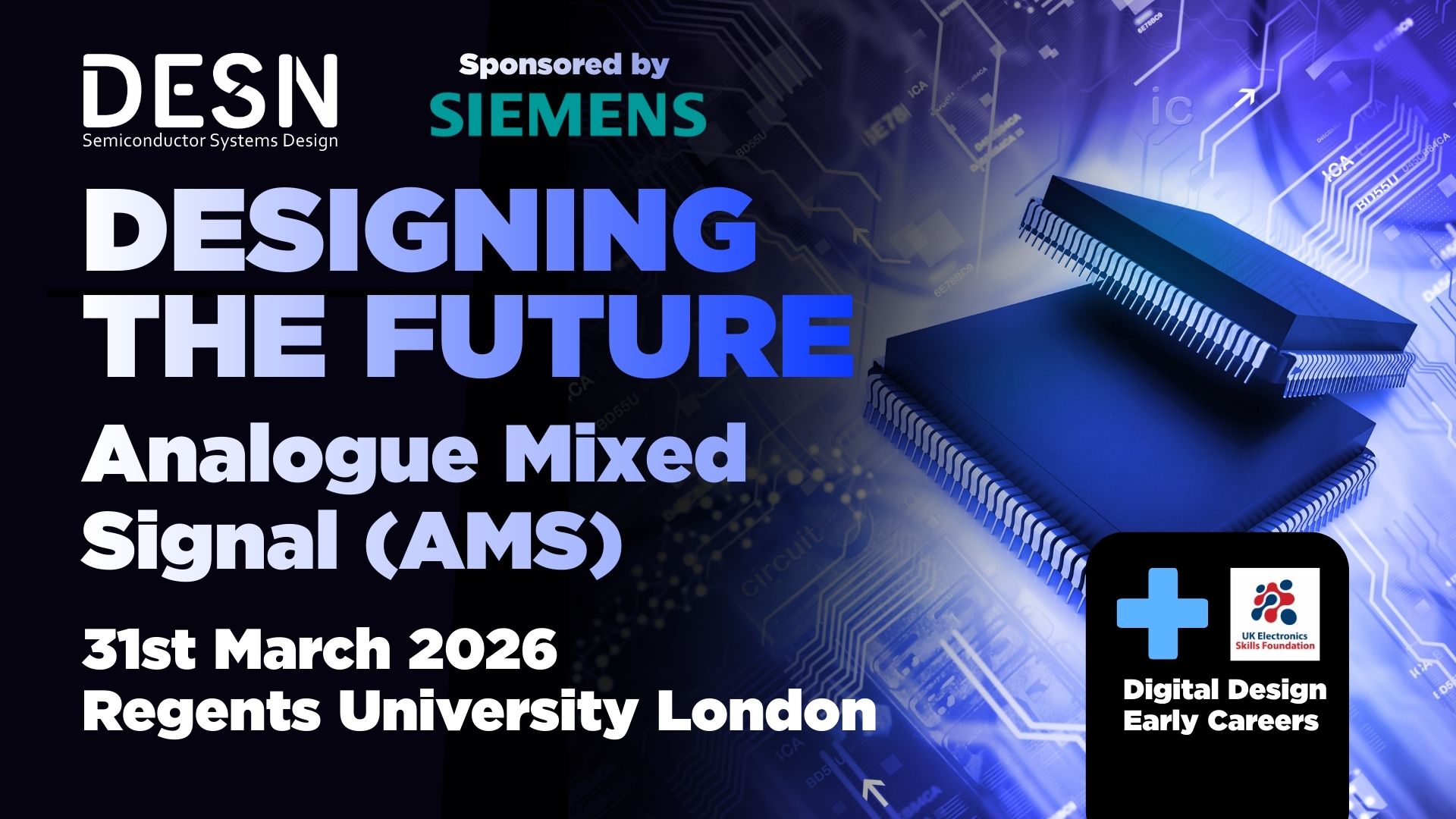
Designing the Future: Analogue Mixed Signal (AMS)
March 31 @ 9:15 am - 5:20 pm
Designing the Future: Analogue Mixed Signal (AMS)
As complexity accelerates, designers face growing challenges in architecture, design, system scaling and workflow.
Following our Digital Design event in November, this next event brings together Analogue and Mixed Signal chip architects and designers to explore real-world pain points and application trends. During the day, we will hear from experts about the challenges and opportunities facing industry and identify how, by working together, we can support industry growth.
The event is structured around three contemporary themes, with a plenary discussion after each to discuss the topics raised and identify relevant actions going forward.
Running concurrently at the same venue, TechWorks and UKESF are hosting a Chip Design Early Careers event to bring together industry and emerging talent. The UKESF Digital Design – Early Careers track, will give companies the opportunity to engage with up to 50 next-generation chip designers (students and graduates) at the point where they are making career choices. Participants can speak directly to these early-career engineers who are keen to learn about a career in chip design, and which organisations they can join and grow with.
Overview
- The future of AMS Design
How is AMS design evolving and where are we compared with pure-play digital CMOS
- Design for performance, noise, and integrity across PVT
- Trade-offs across process nodes and scaling limits; voltage, noise, performance, cost
- Design migration, IP integration and reuse
- Design flow and productivity: How can automation and AI help?
- Layout challenges, routing, optimization and physical verification
- Co-simulation, model abstraction and system-level verification
- System architecture and Integration
Meeting system requirements while avoiding parasitics and interference is not just a circuit-level challenge. What are the current trends in system architecture and integration?
- System partitioning, simulation and integration: Performance / Power / Area
- Digital-analogue interfacing and interconnect. Interference mitigation and isolation
- Multi-die integration: Yield reliability, Power delivery, Thermal management
- Signal integrity and noise coupling in advanced packaging, 2.5D and 3D
- Multi-die mixed signal chiplets and heterogeneous integration
- Application drivers for AMS Design
Many emerging technologies are driving AMS innovation. What are the major application challenges pushing the frontier of analogue design today?
- Future compute and AI
- High-speed SerDes, Photonic interconnect, Clock & data recovery
- Power delivery, voltage regulation and monitoring
- Analog and in-memory compute
- IoT, connectivity, med-tech and wearables
- Low-noise analogue sensor integration / Energy harvesting
- Physical AI / Neuromorphic compute
- Low power RF
AGENDA
| TIME | DETAILS |
|---|---|
| 09:15 | Registration |
| 10:00 | TechWorks DESN Introduction – Scene setting & objectives Jillian Hughes, Head of Semiconductors, DESN & Charles Sturman, CEO, TechWorks |
| The Future of AMS Design How is AMS design evolving and where are we compared with pure-play digital CMOS |
|
| 10:10 | System-First Design for High-Performance Mixed-Signal Asad Ali, Senior IC Architect, Novamorphic |
| 10:30 | Bridging the Verification Gap Between Digital and Analog IC Design Marcel Ahmedzai, Application Engineer Architect, Cadence |
| 10:50 | Top‑Down Approach to Mixed‑Signal Verification Gautham Sathyan, Mixed Signal Modeling & Verification Engineer, Cirrus Logic |
| 11:10 | Verifying AMS Designs Mike Bartley, CEO, Alpinum |
| 11:30 | Discussion and CTA |
| 11:55 | Sponsor talk: Lee Harrison, Director of Product Marketing, Tessent, Siemens EDA |
| 12:00 | Networking Lunch |
| System architecture and Integration Meeting system requirements while avoiding parasitics and interference is not just a circuit-level challenge. What are the current trends in system architecture and integration? |
|
| 13:00 | Structured AMS migration: Device-level validation to layout closure with intelligent automation Chris Yates, Head of AI and Machine Learning, Thalia |
| 13:20 | Revolutionizing Analog Layout Synthesis through GenAI and Machine Learning Technologies Neel Goplan, Executive Director, Technical Product Management |
| 13:40 | Beyond 1.8 V: Enabling Robust 3.3 V Interfaces in 28 nm CMOS and 7 nm FinFET with Overvoltage Tolerant Specialty I/Os Bart Keppens, Chief Business Development, Sofics |
| 14:00 | Discussion & Call to Action |
| 14:25 | Break |
| Application drivers for AMS Design Many emerging technologies are driving AMS innovation. What are the major application challenges pushing the frontier of analogue design today? |
|
| 15:10 | AMS from beamforming arrays to safety critical ASICs Konstantinos Glaros, Associate Director – Analogue IC Design, Ensilica Plc |
| 15:20 | Analog Scan: A new frontier for Mixed-signal test Vladimir Zivkovic, Principal Product Engineer, Siemens EDA |
| 15:40 | Discussion & Call to Action |
| 16:05 | Refreshments and Networking |
| 17:00 | Close |
AGENDA
| 09:15 Registration |
| 10:00 TechWorks DESN Introduction – Scene setting & objectives Jillian Hughes, Head of Semiconductors, DESN & Charles Sturman, CEO, TechWorks |
| The Future of AMS Design How is AMS design evolving and where are we compared with pure-play digital CMOS |
| 10:10 System-First Design for High-Performance Mixed-Signal Asad Ali, Senior IC Architect, Novamorphic |
| 10:30 Bridging the Verification Gap Between Digital and Analog IC Design Marcel Ahmedzai, Application Engineer Architect, Cadence |
| 10:50 Top‑Down Approach to Mixed‑Signal Verification Gautham Sathyan, Mixed Signal Modeling & Verification Engineer, Cirrus Logic |
| 11:10 Verifying AMS Designs Mike Bartley, CEO, Alpinum |
| 11:30 Discussion and CTA |
| 11:55 Sponsor talk: Lee Harrison, Director of Product Marketing, Tessent, Siemens EDA |
| 12:00 Networking Lunch |
| System architecture and Integration Meeting system requirements while avoiding parasitics and interference is not just a circuit-level challenge. What are the current trends in system architecture and integration? |
| 13:00 Structured AMS migration: Device-level validation to layout closure with intelligent automation Chris Yates, Head of AI and Machine Learning, Thalia |
| 13:20 Revolutionizing Analog Layout Synthesis through GenAI and Machine Learning Technologies Neel Goplan, Executive Director, Technical Product Management |
| 13:40 Beyond 1.8 V: Enabling Robust 3.3 V Interfaces in 28 nm CMOS and 7 nm FinFET with Overvoltage Tolerant Specialty I/Os Bart Keppens, Chief Business Development, Sofics |
| 14:00 Discussion & Call to Action |
| 14:25 Break |
| Application drivers for AMS Design Many emerging technologies are driving AMS innovation. What are the major application challenges pushing the frontier of analogue design today? |
| 15:00 AMS from beamforming arrays to safety critical ASICs Konstantinos Glaros, Associate Director – Analogue IC Design, Ensilica Plc |
| 15:20 Analog Scan: A new frontier for Mixed-signal test Vladimir Zivkovic, Principal Product Engineer, Siemens EDA |
| 15:40 Discussion & Call to Action |
| 16:05 Refreshments and Networking |
| 17:00 Close |
AMS Speakers
Chris Yates
Head of AI and Machine Learning, Thalia
Chris Yates, Vice President of Software Engineering, leads development of EDA software for analog and mixed-signal design, optimisation and technology migration. His work applies statistical methods, mathematical optimisation and AI and machine learning to automate performance tuning and preserve circuit intent across process nodes. With a background in statistics, mathematics and artificial intelligence, he focuses on reducing design iteration time while maintaining predictability and robustness in advanced AMS flows.
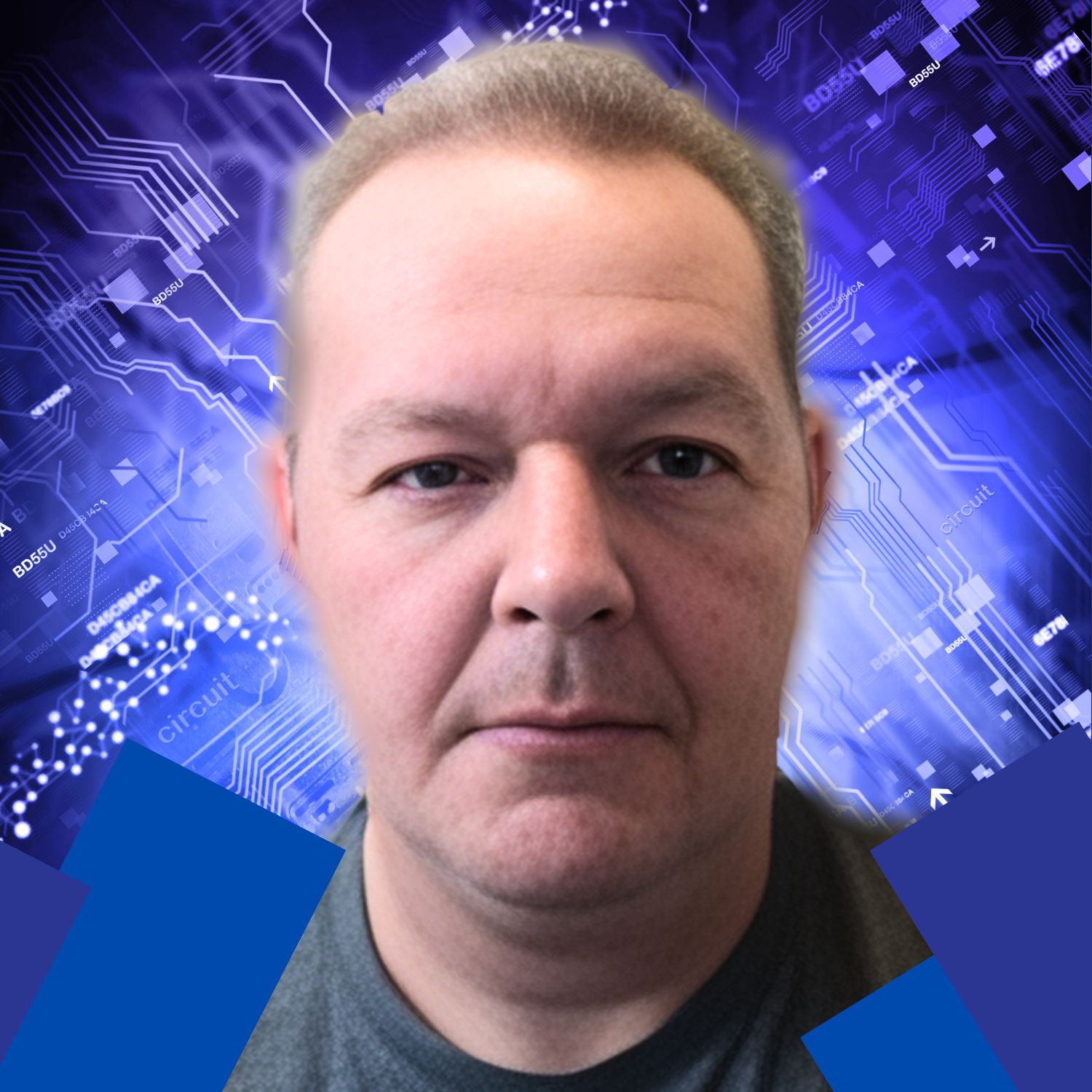
Marcel Ahmedzai
Application Engineer Architect, Cadence
Marcel Ahmedzai is an engineering architect at Cadence with a focus on mixed signal verification and is based in Bracknell, England. Prior to Cadence he was a CAD engineer at Mitel Semiconductor and Zarlink Semiconductor. Marcel has been with Cadence for over 20 years and has a bachelor’s degree in Mathematics from the University of Hertfordshire.
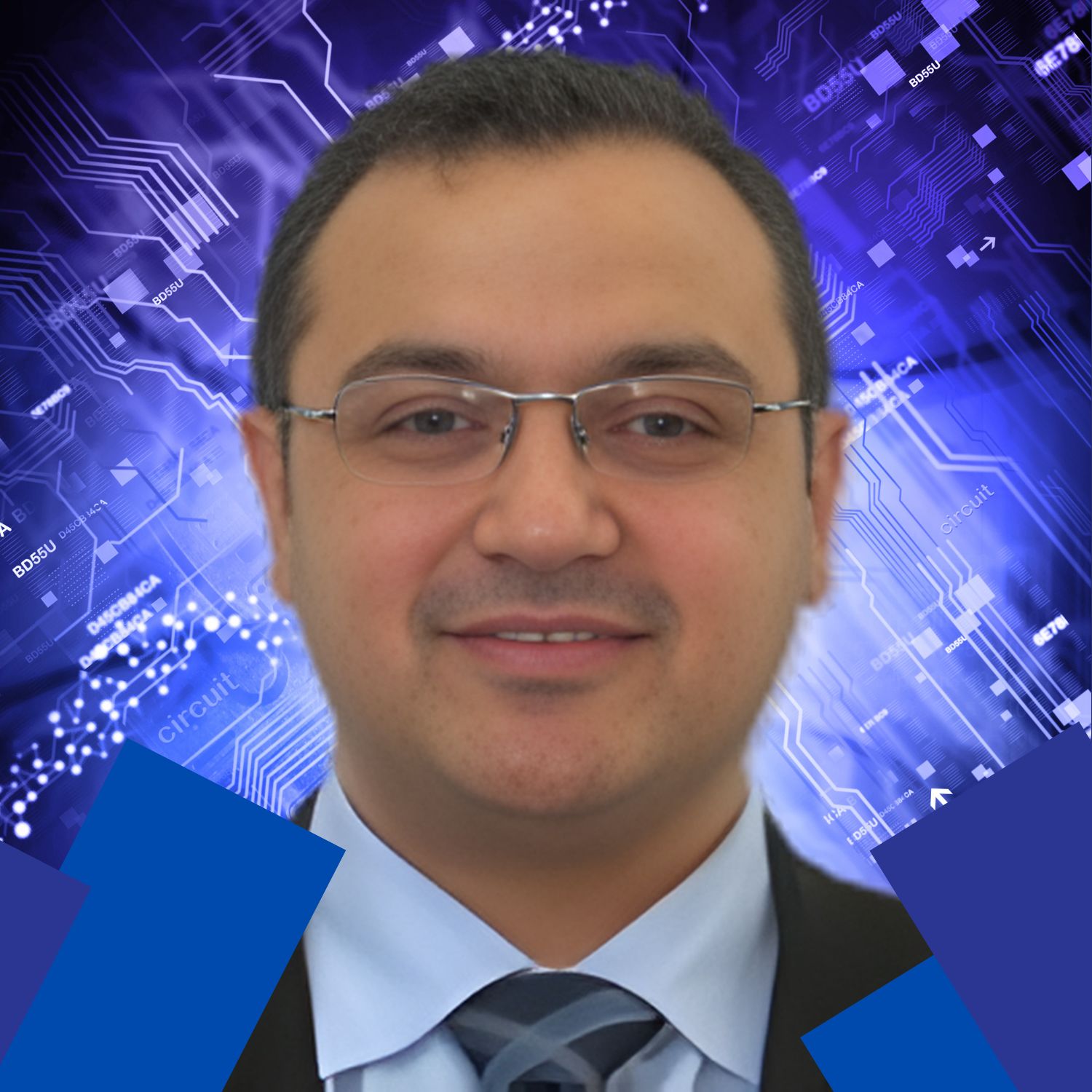
Mike Bartley
F0under and CEO, Alpinum
Mike started in software testing in 1988 after completing a PhD in Math, moving to semiconductor Design Verification (DV) in 1994, verifying designs (on Silicon and FPGA) going into commercial and safety-related sectors such as mobile phones, automotive, comms, cloud/data servers, and Artificial Intelligence. Mike built and managed state-of-the-art DV teams inside several companies, specialising in CPU verification.
Mike founded and grew a DV services company to 450+ engineers globally, successfully delivering services and solutions to over 50+ clients . The company was acquired by Tessolve Semiconductors in 2020 and Mike worked at Tessolve as SVP.
Mike started Alpinum in April 2025 to deliver a range of start-of-the art industry solutions.
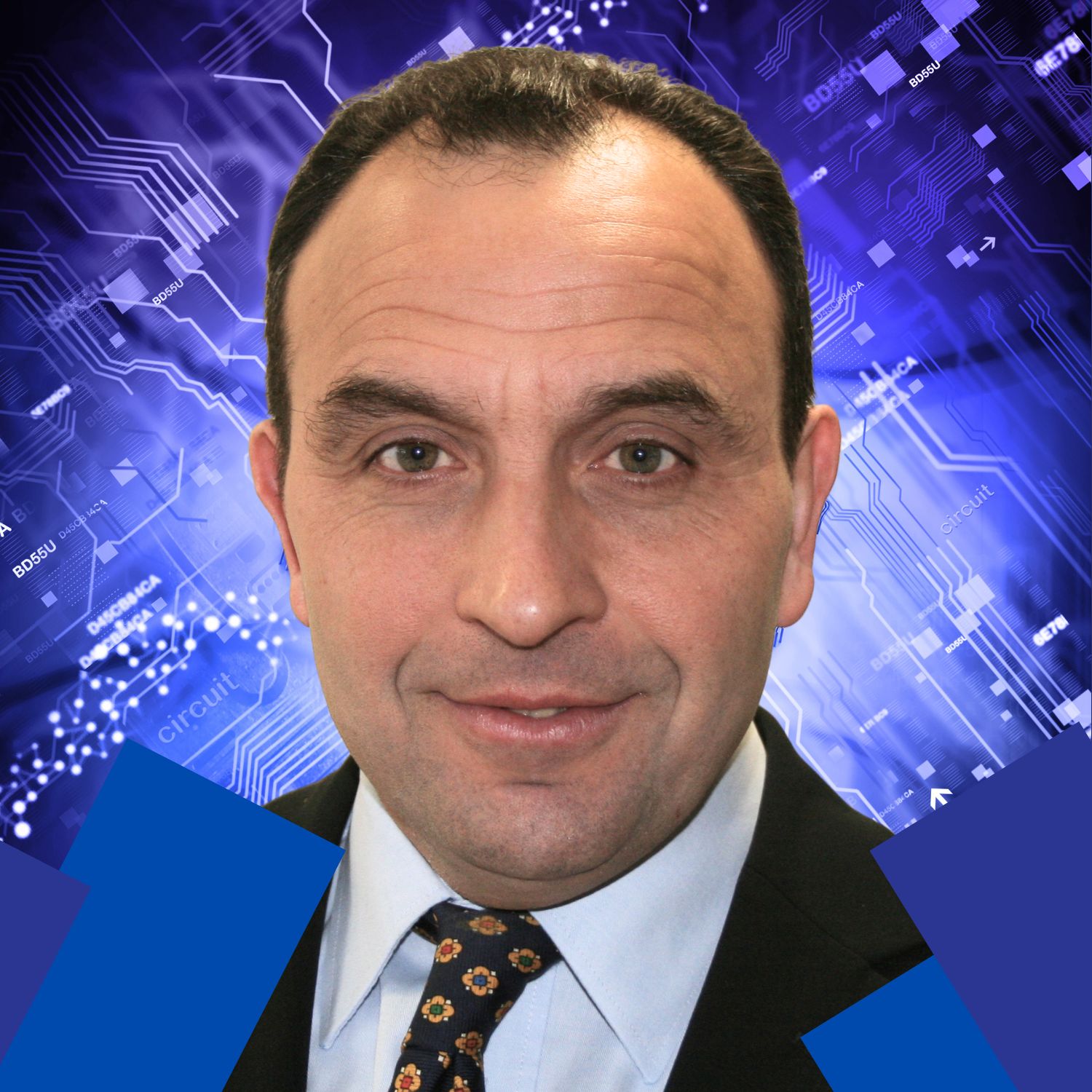
Asad Ali
Senior IC Architect ‑ Analogue and Mixed Signal, Novomorphic
Asad Ali, Senior IC Architect at Novomorphic, champions a System First approach to analogue and mixed-signal development. He has held leadership roles at Maxim Integrated, OnSemi, Dialog Semiconductor and LSI Logic, leading the development of high-volume RFIC, power and mixed-signal IC products from concept to production.
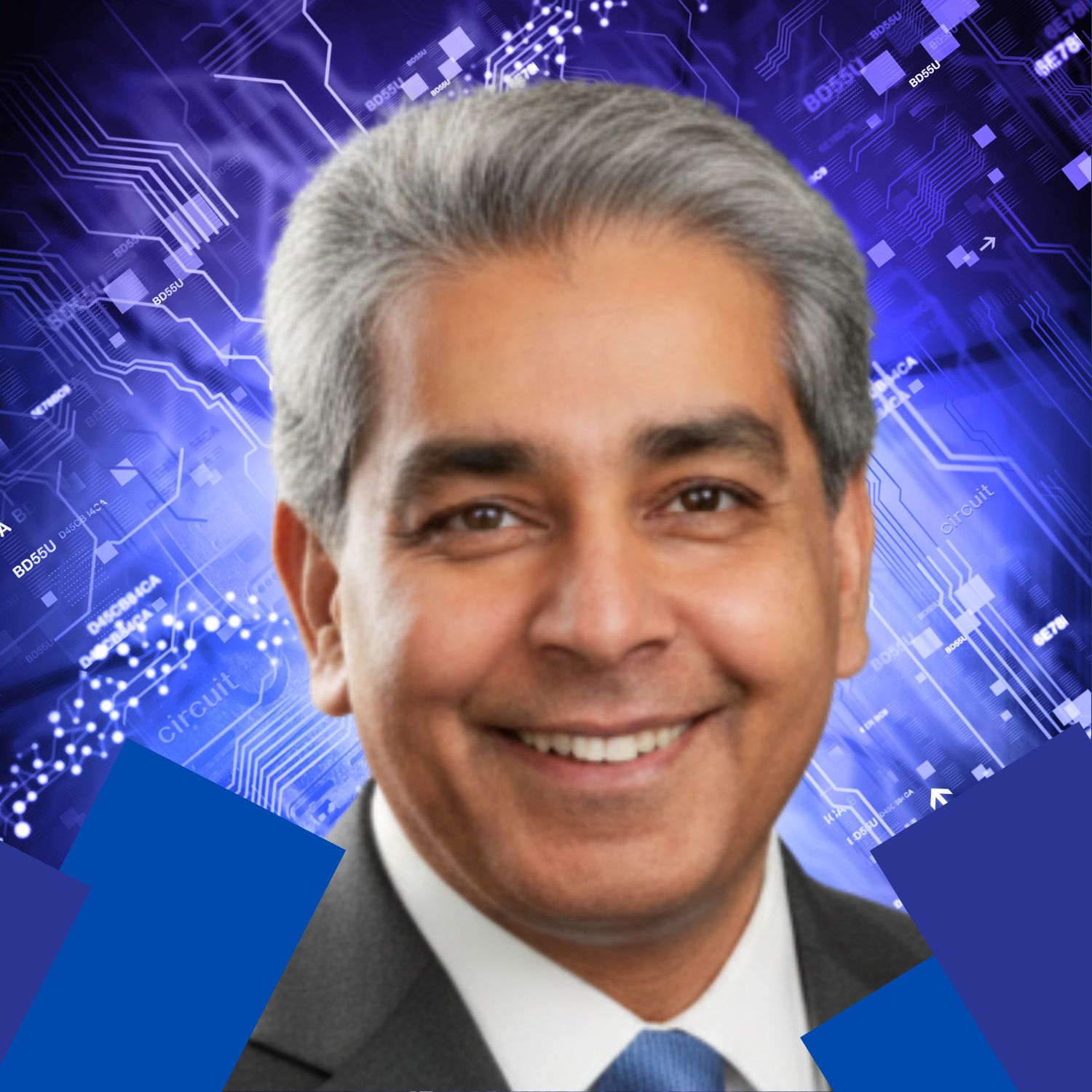
Kostas Glaros
Associate Director – Analogue IC Design, Ensilica Plc
Kostas Glaros is an analogue/mixed-signal technical lead with EnSilica Plc. Over the past decade he has led teams bringing multiple mixed-signal ASICs from initial concept to mass production. He focuses on medical, automotive, and industrial control applications, and has a keen interest on design methodology and tools. Kostas holds a PhD in low-power medical electronics from Imperial College London.
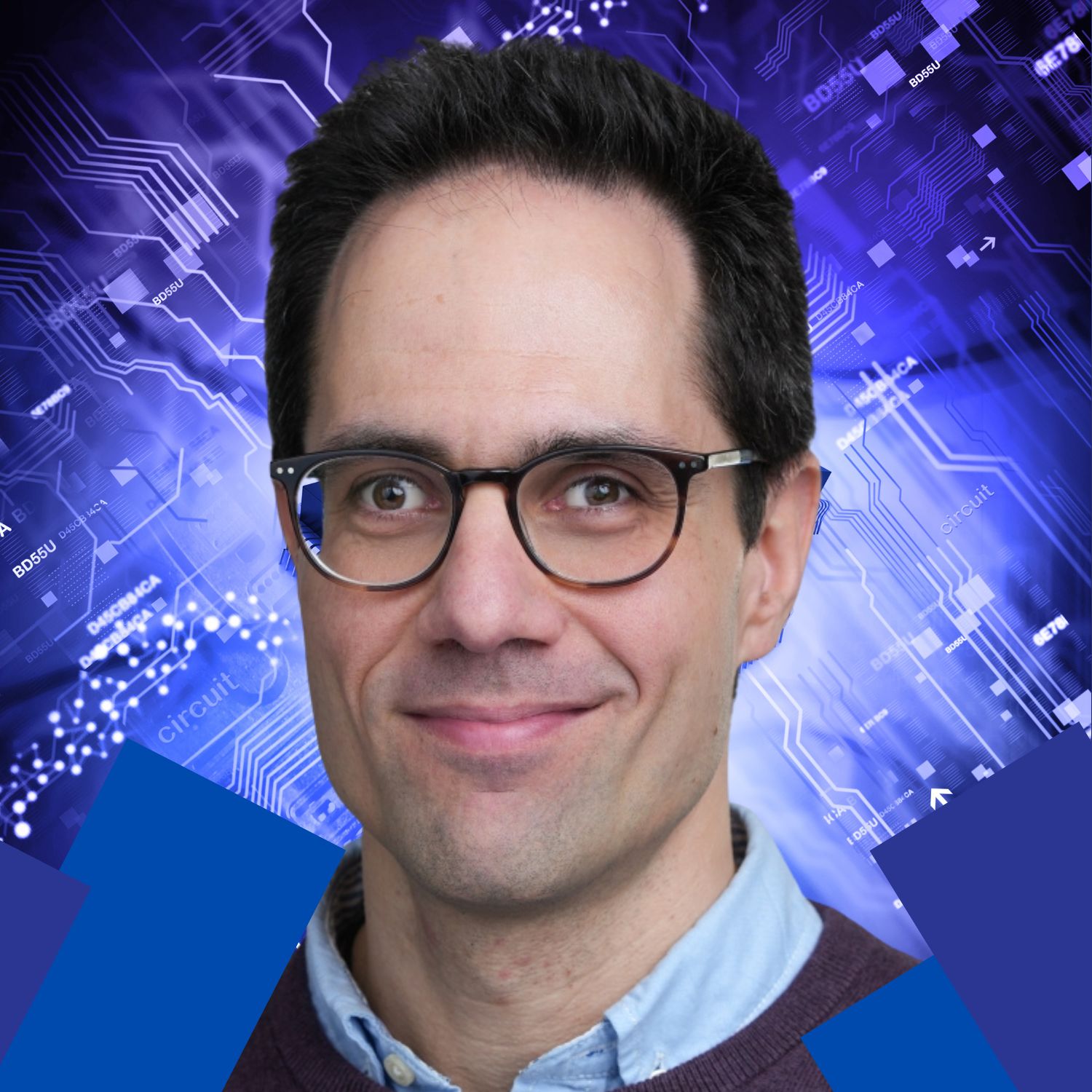
Gautham Sathyan
Mixed Signal Modeling & Verification Engineer, Cirrus Logic
Gautham Sathyan is part of the Mixed-Signal Modeling and Verification group at Cirrus Logic in the Newbury office. His work spans a wide range of responsibilities, including early stage architectural modeling of mixed signal blocks, requirements definition, and establishing analog/digital boundary and the chip level schematic hierarchy. He is involved in netlisting and chip bring up DMS simulation, SystemVerilog real number modeling of low level analog cells, and to define and implement chip level AMS simulations.
With a background in analog design, Gautham particularly enjoys the challenges of modeling and debugging complex mixed signal systems. Outside of work, he spends most of his time running after his young children, though he hopes to one day start learning to play Indian music on the guitar.
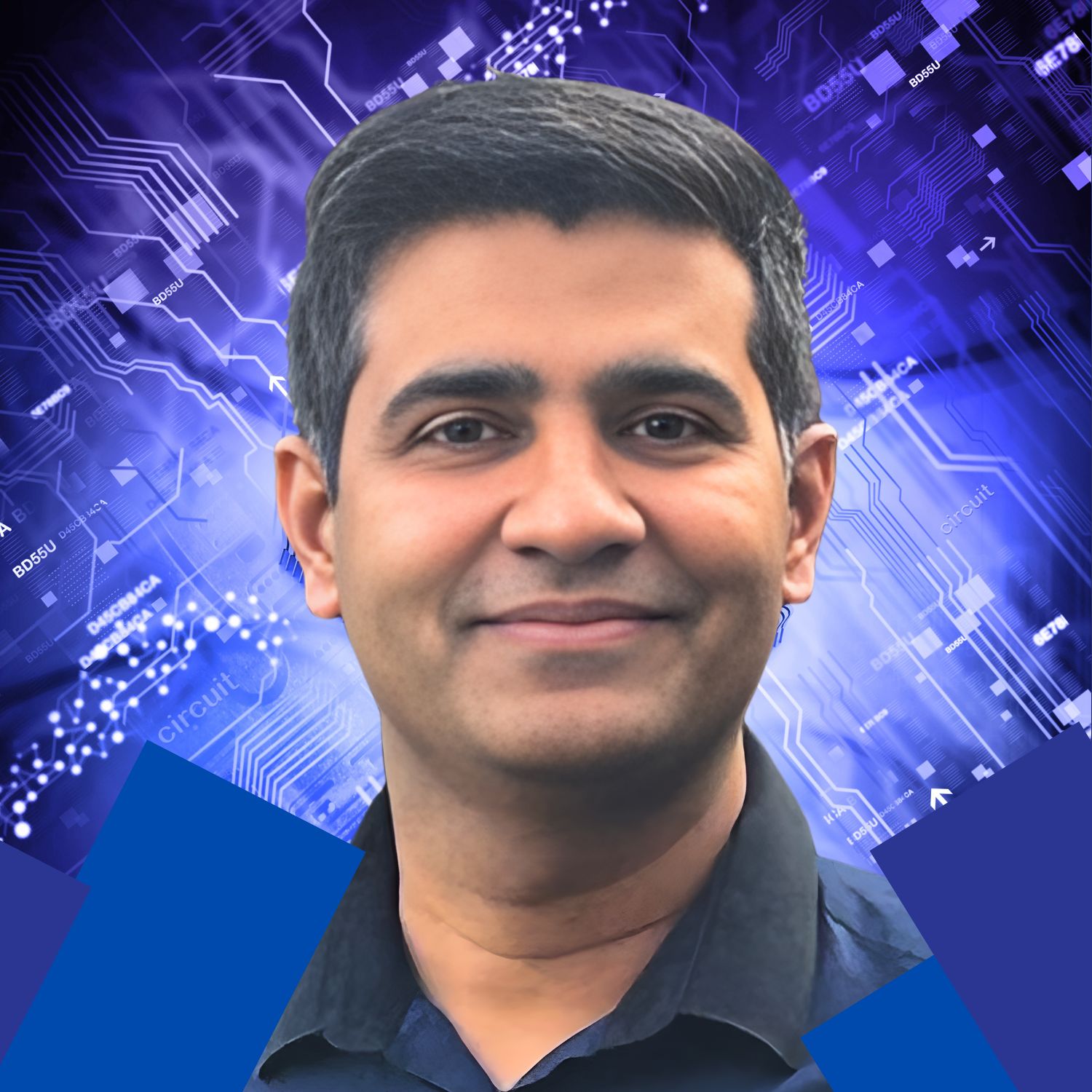
Vladimir Zivkovic
Principal Product Engineer, Siemens EDA
Vladimir Zivkovic is a principal product engineer for Analog Mixed-Signal and Defect-oriented Test at Siemens EDA. He graduated from the Faculty of Electrical Engineering at the University of Nis in Former Yugoslavia and obtained PhD in Electrical Engineering from the University of Twente, the Netherlands.
He has more than 20 years of industrial experience in Mixed-signal DfT, test flow automation, test coverage analysis and AMS verification. His previous affiliations include Philips Research (Netherlands), NXP Semiconductors (Netherlands), D4T Systems (small startup company, Netherlands), Nikhef/CERN (Netherlands/Switzerland), Cadence Design Systems (Scotland, UK) and Infineon (Denmark). He is program committee member of IEEE European Test Symposium (ETS) and provided significant contribution during the development of IEEE 2427 standard for Analog Defect Modeling and Coverage. He is also vice chair of IEEE P1687.2 (Analog Test Access standardization) working group.

Bart Keppens
Chief Business Development, Sofics
Bart Keppens received an engineering degree in electronics in 1996 and started his career at imec in Belgium. From 2002 he joined Sarnoff Europe, solving on-chip ESD related problems for customers worldwide. After a management buy-out in June 2009, Sarnoff Europe became ‘SOFICS – Solutions for ICs’ where Bart is responsible for global business development. Bart (co-) authored more than 40 peer-reviewed published articles on ESD protection.
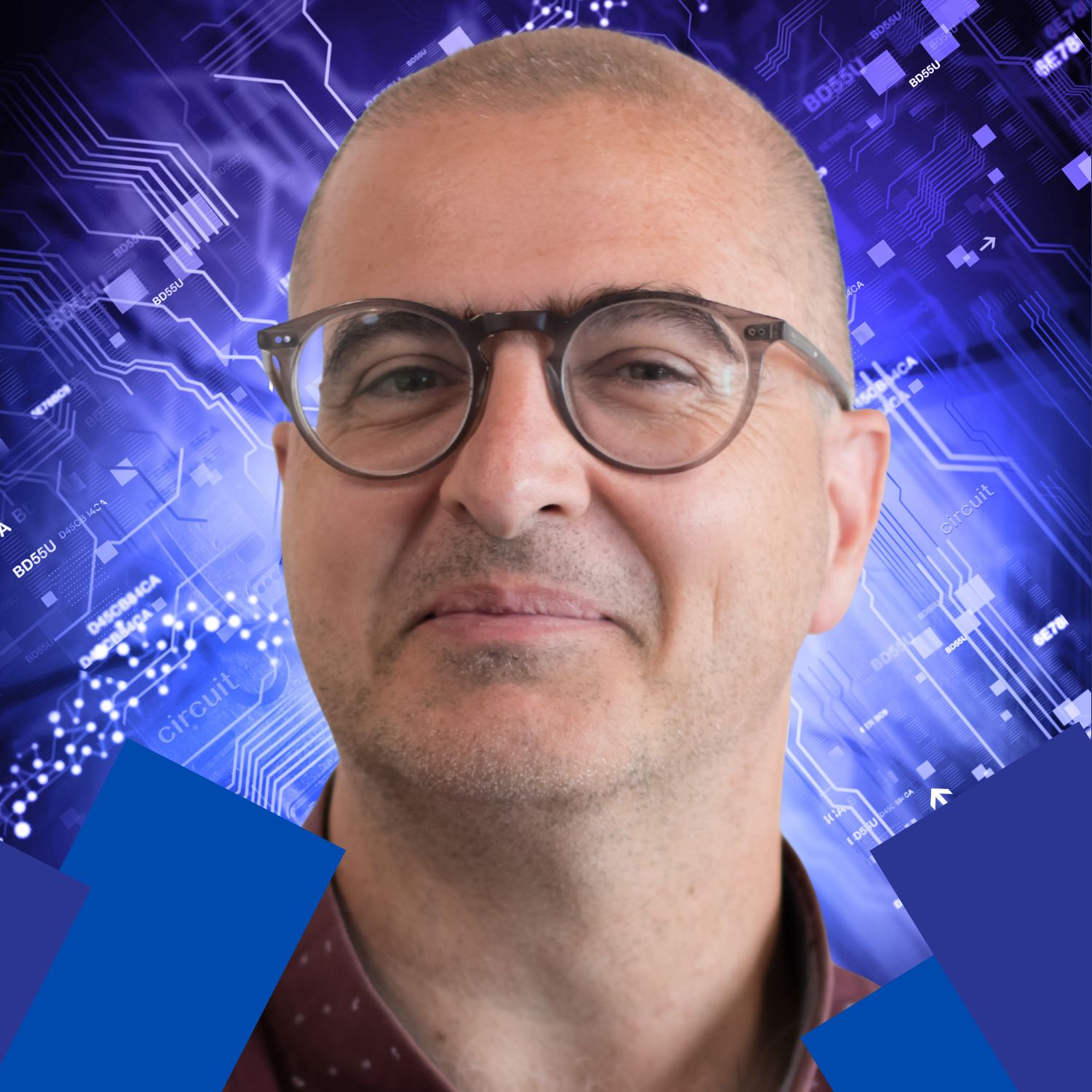
Lee Harrison
Director of Product Marketing, Tessent, Siemens EDA
Lee Harrison is Director, Product Marketing, with Siemens Tessent Division. He has over 25 years of industry experience working with Siemens Tessent DFT products, with a focus on safety and security. Lee Received his BEng in MicroElectronic Engineering from Brunel University London in 1996. Lee presents regularly at industry conferences such as DAC, ITC, VTS, ETS, and DATE.
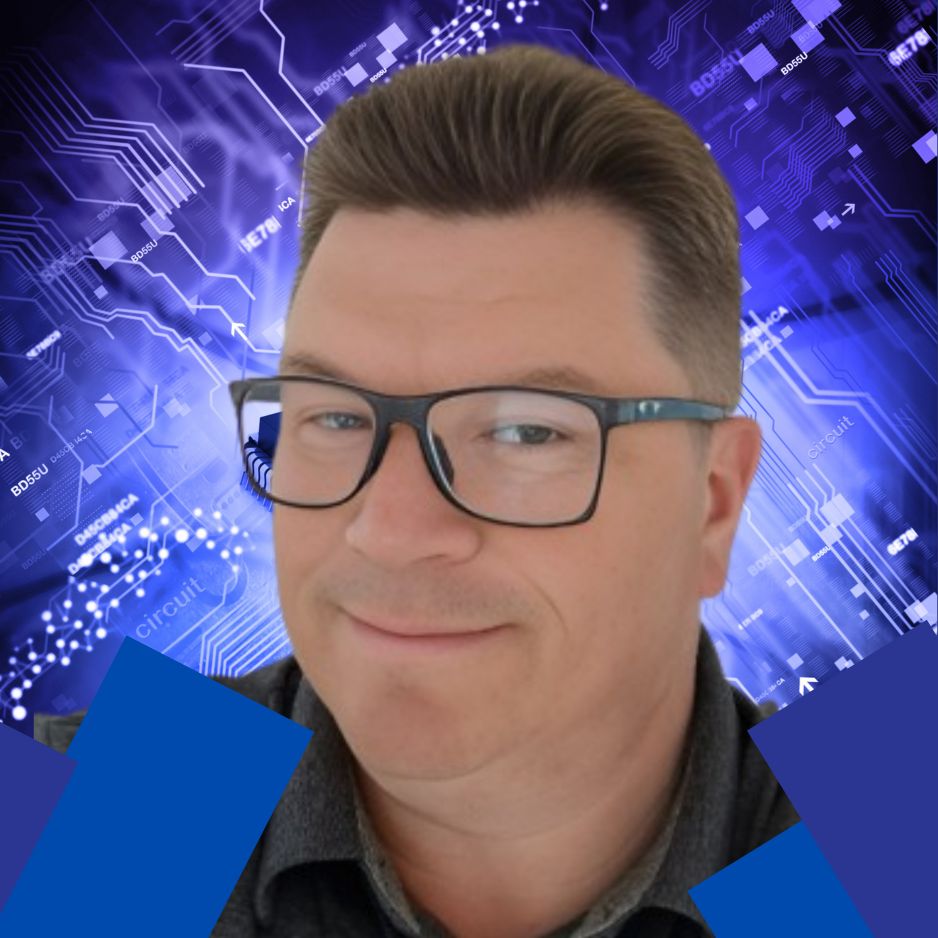
Neel Goplan
Executive Director, Technical Product Management, Synopsys
Neel Gopalan is an Executive Director, in the Products and Market group. Neel leads Technical Product Management for AMS tools including Custom Compiler, PrimeSim and Characterization. Neel has been with Synopsys for the last 20 years; during this time he has been part of Custom Compiler Product Engineering team. He was an integral part of the team that built Custom Compiler along with all the collaterals needed for Custom Design. Neel and his team built industry’s 1st iPDK, which is now the standard for PDKs in the industry. Neel now leads Analog Design Migration, ASO and Layout Synthesis. Prior to Synopsys, Neel worked for Cadence for 5 years

Digital Design Early Careers Speakers
Haydn Povey
Founder and CEO, SCI Semiconductor
With over 30 years experience in the technology domain Haydn has unparalleled experience in microprocessor IP, cyber security, and real world cyber-physical systems.
Having led the introduction of Arm Cortex-M processors he subsequently led the Processor Divisions security technologies, including TrustZone & SecurCore.
He is a founder board member of the IoT Security Foundation.
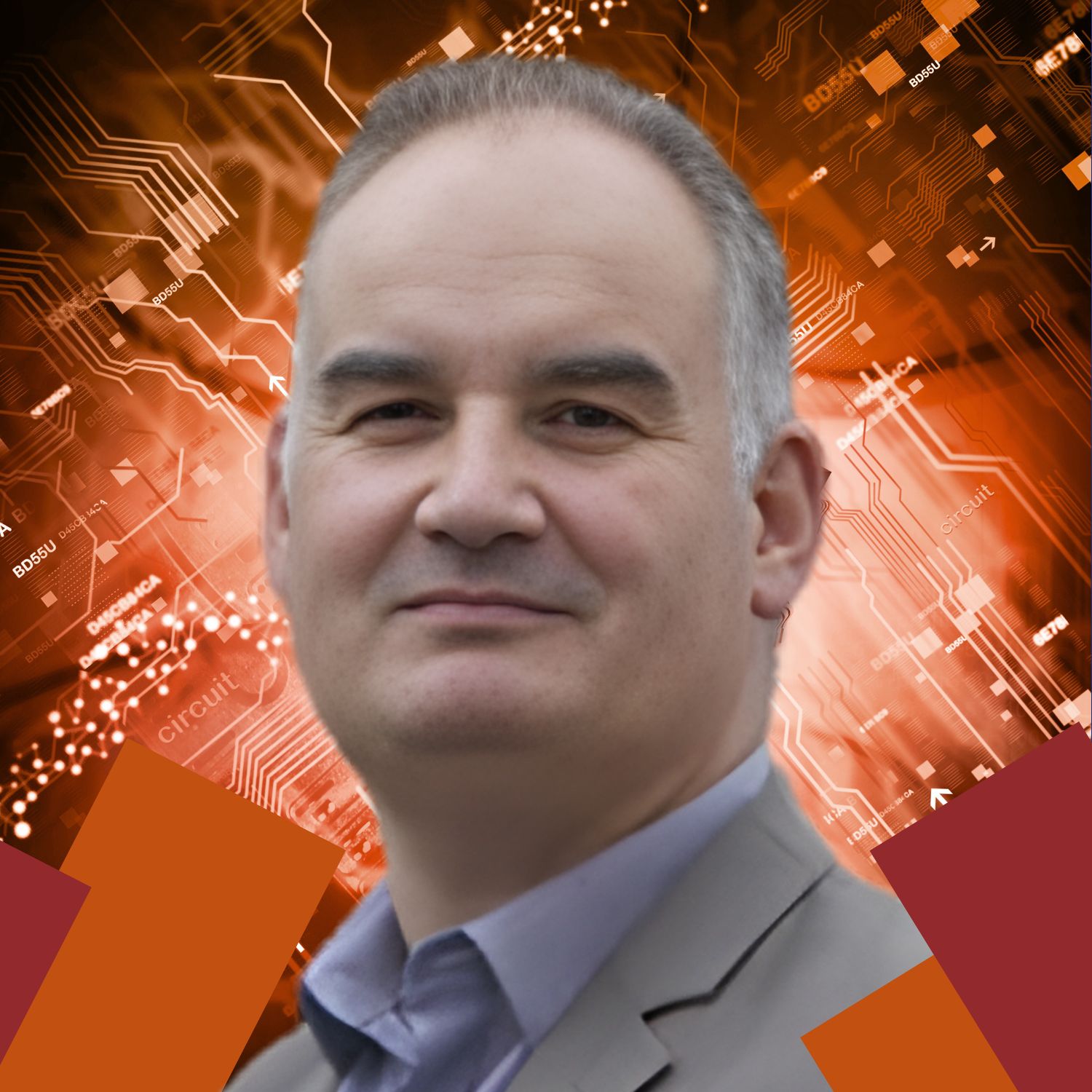
Dave Sanders
Associate Fellow, Rolls-Royce
Dave Sanders is an Associate Fellow at Rolls-Royce specialising in the development of complex electronic hardware. He has 28 years of experience working in the electronics industry, with 26 of those developing the safety critical microprocessors that form the heart of the Rolls-Royce control systems for both aerospace and non-aerospace applications.
Dave is a member of the European DO254 Users Group since 2012 and has contributed to various regulation working groups including co-authoring AMC 20-152A. He became a Fellow of the IET in 2018 and was awarded the Rolls-Royce Controls Gold Innovation Award in 2015 in recognition of the successful development of the sixth-generation safety critical microprocessor, which has already accumulated over 30 million fault free flying hours.
In his spare time, Dave is a keen runner and currently Lichfield Running Club Secretary.

Michael O’Sullivan
Engineering director, Cadence
Michael O’Sullivan is an engineering director at Cadence with a focus on verification and is based in Edinburgh, Scotland. Michael has been with Cadence for over 27 years with various roles in sales, marketing and design services.
Prior to Cadence he was a design engineer at S3 Group in Dublin, Ireland and at Philips in Eindhoven, The Netherlands. Michael has an Masters of Engineering Science from the National University of Ireland.
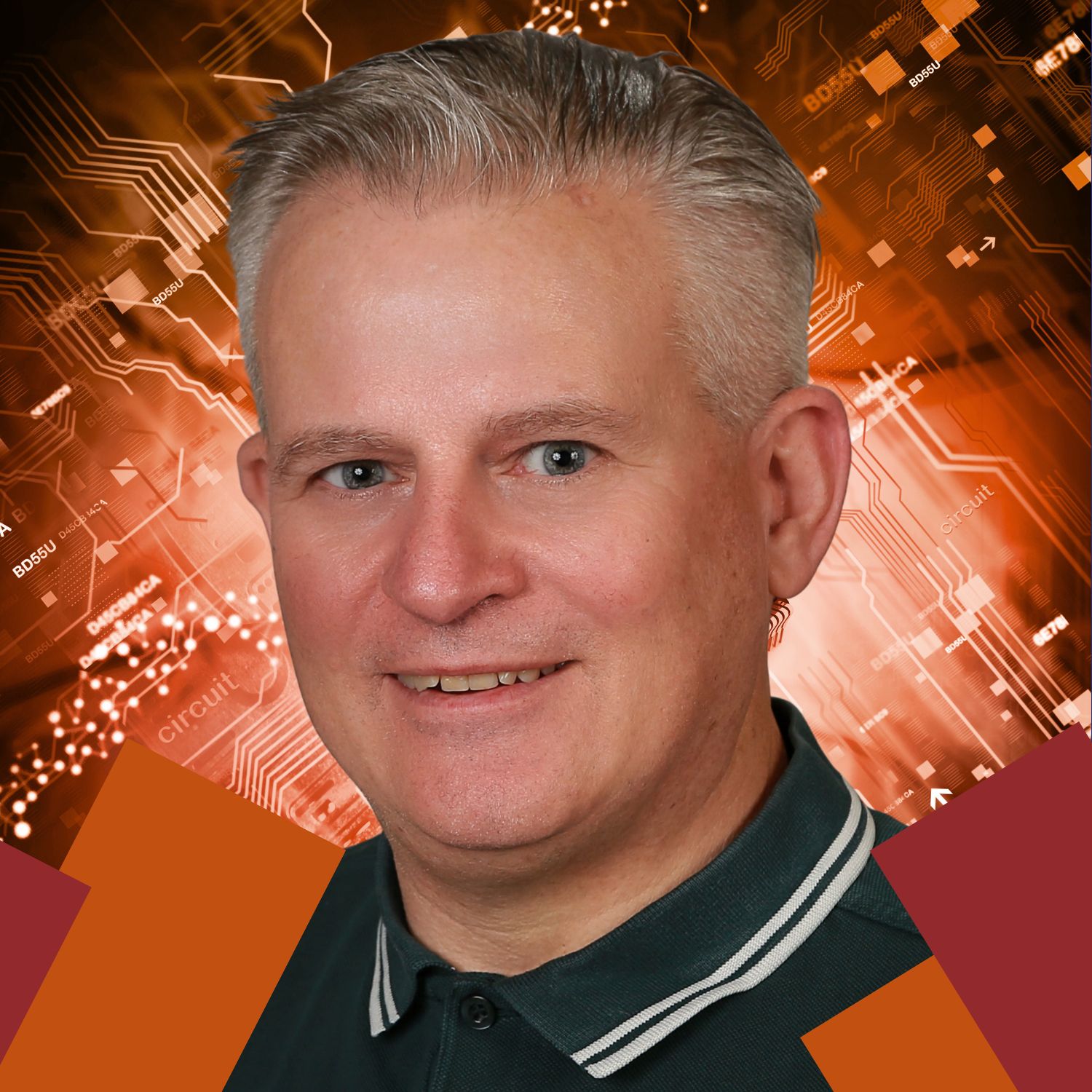
Loay Qteet
Staff Application Engineer, Synopsys
Loay Qteet, Applications Engineering, Staff Engineer at Synopsys, with six years of experience in the Electronic Design Automation (EDA) field. He specializes in physical design, RTLIIGDS flow development, and EDA applications of Implementation and AI. Loay has played a key role in supporting various customer, helping them to achieve their goals effectively and ensuring that Synopsys products meet their evolving requirements.

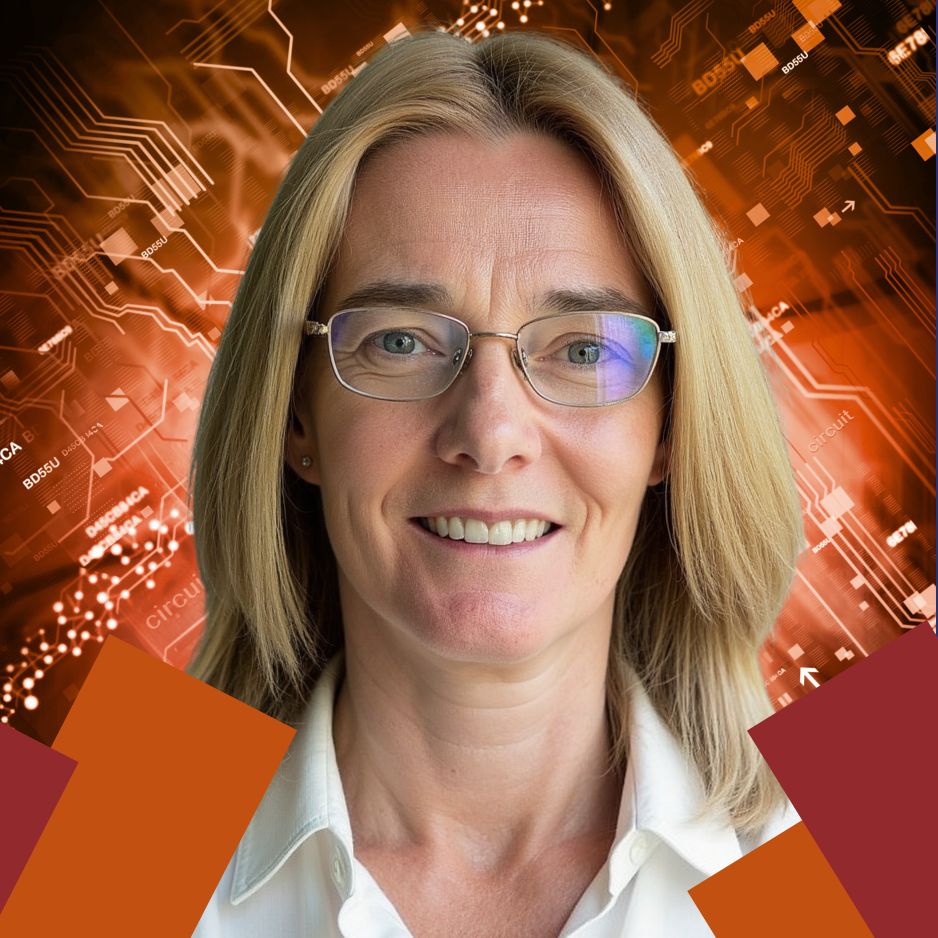
Catriona Wright
Co-founder, Chipletti
Catriona Wright is co-founder of Chipletti, a Cambridge-based fabless semiconductor startup developing AI accelerators for physical AI systems that require low power, high performance real-time operation within tight SWaP-C constraints. She works across strategy, partnerships, and operations while helping translate emerging AI compute needs into practical hardware solutions.
Moderator
Matt Cossins
Ecosystem Development Manager, Arm
Matt Cossins is an Ecosystem Development Manager in Arm’s AI and Developer Platforms group, where he supports the adoption of Arm-powered AI compute platforms through developer education, enablement, and collaboration between industry and academia.

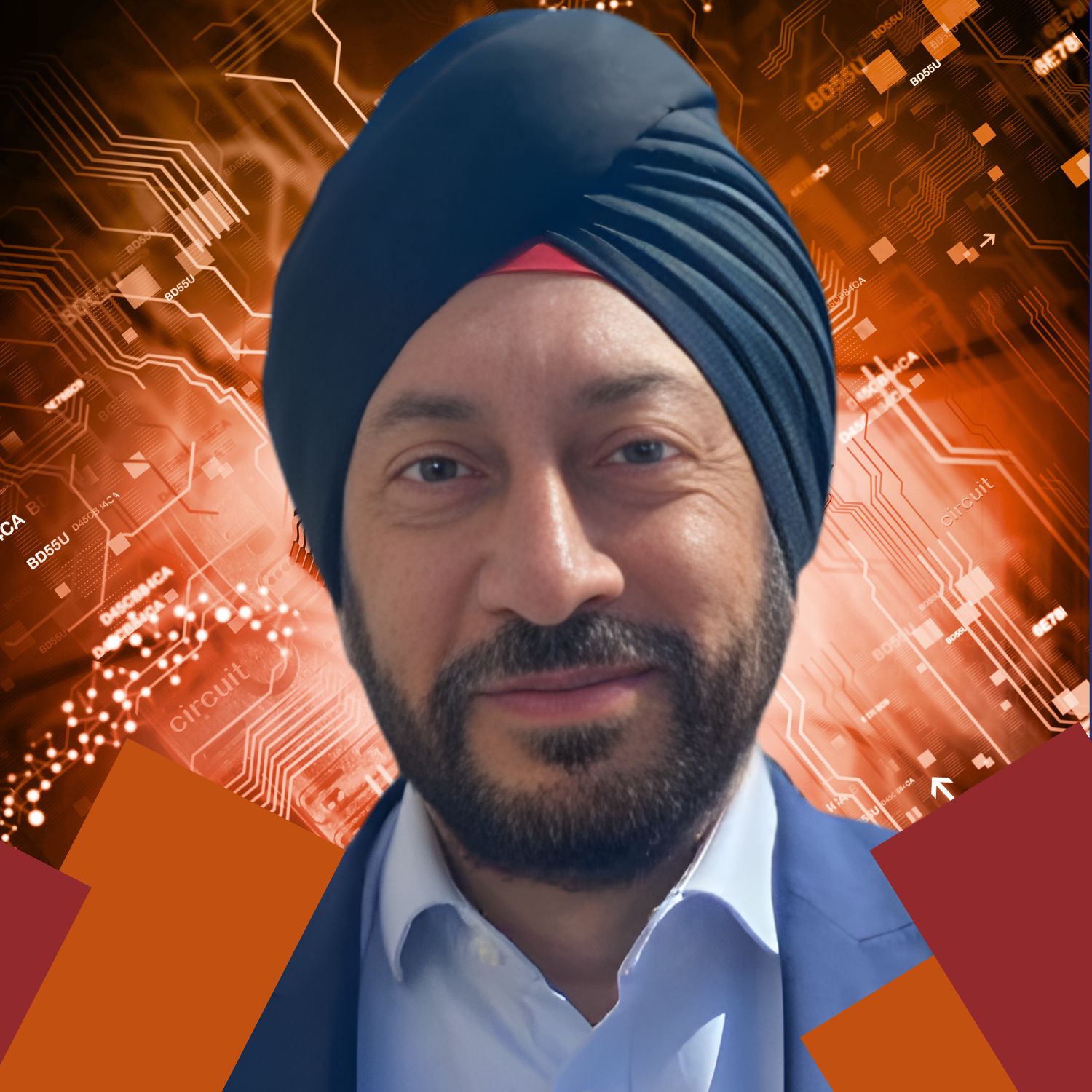
Raj Gawera
Chief Operating Officer, UK Semiconductor Centre
Raj has over 30 years of experience in the semiconductor field having held senior technical and commercial roles in semiconductor organisations spanning IP, Fabless and IDM business models. He is now COO of the newly formed UK Semiconductor Centre – with an ambitious plan to strengthen the UK semiconductor ecosystem and grow international partnerships.
Mahdieh Ghoddusi
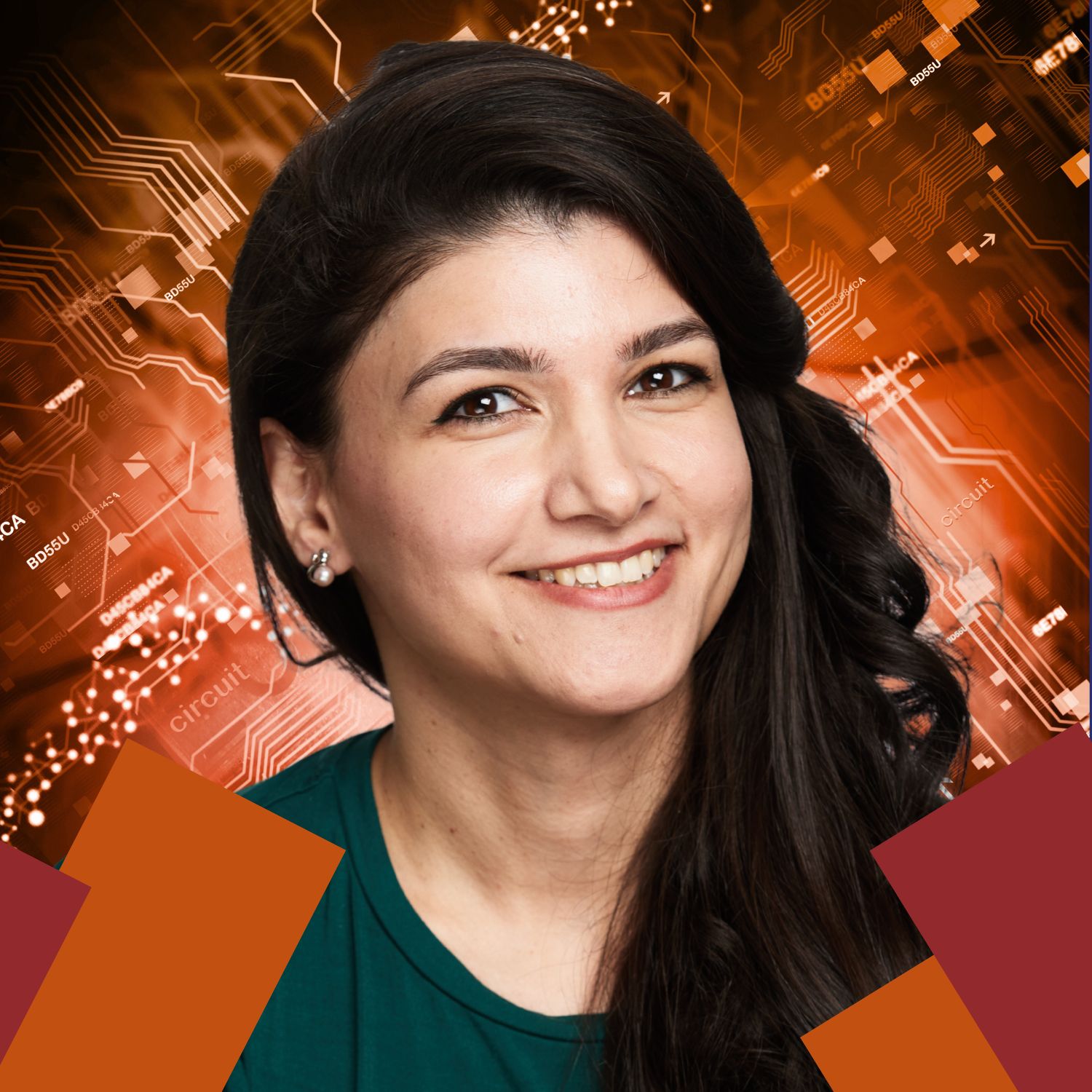
Director of Delivery, UKESF